Celebrate Black History Month with Penguin Classics
These seminal works from the greatest Black authors reveal a shared humanity and offer connection in their pages. Discover award-winning fiction, poetry, nonfiction, memoir, and short stories to read all year long from Penguin Classics.
NEW TO PENGUIN CLASSICS
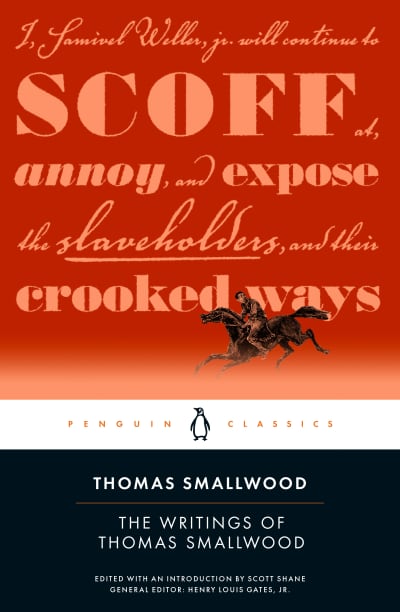
Thomas Smallwood was a shoemaker by day and an organizer of mass escapes from slavery by night. Twelve years after...

Zami: A New Spelling of My Name
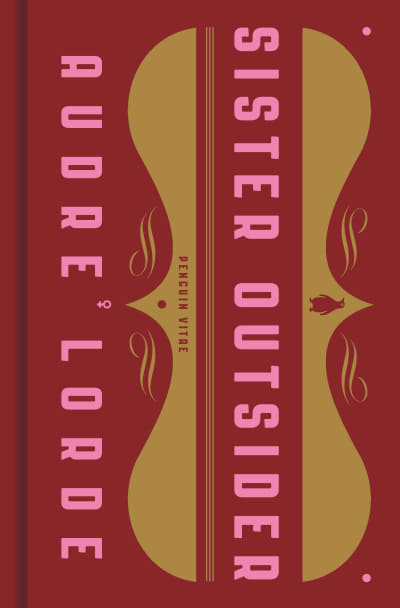
In her 1982 genre-fluid memoir, Zami: A New Spelling of My Name, Audre Lorde reflects on how her identity was formed by her relationships with women throughout her life, from her early memories of her mother attempting to shield her from the racism and sexism ingrained in American society to the solidarity she found in lesbian communities in downtown New York in the 1950s and among women whom she worked beside. With candor and trenchant yet simple detail, Lorde paints an intimate portrait of her life, granting readers a window into the formative experiences of one of the greatest writers and feminist thinkers of the 20th century. Zami: A New Spelling of My Name will be the second Lorde title to be featured in the Penguin Vitae collection and will feature a new foreword.
More from the Penguin Vitae Series

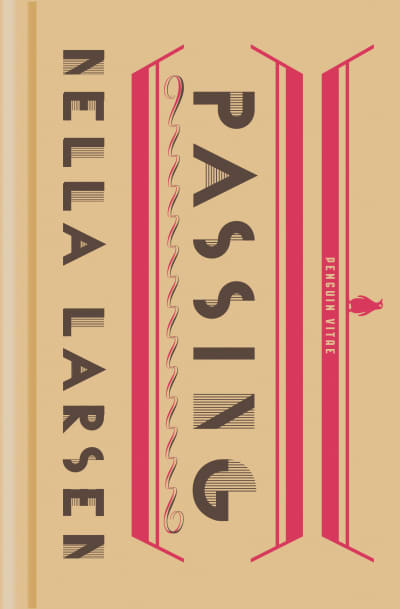


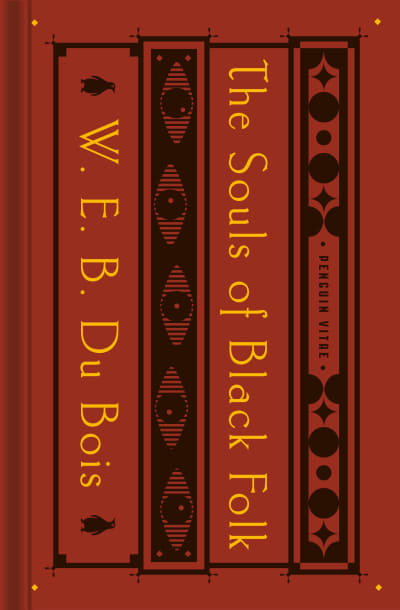

The Portable Feminist Reader
A New York Times Bestseller
A dynamic and strikingly relevant look at a feminist canon as expansive rather than definitive
For Roxane Gay, a feminist canon is subjective and always evolving. A feminist canon represents a long history of feminist scholarship, embraces skepticism, and invites robust discussion and debate. Selected writings by ancient, historic, and more recent feminist voices include Henricus Cornelius Agrippa, Anna Julia Cooper, Kimberlé Crenshaw, Dorothy Allison, Leslie Feinberg, Eileen Myles, Mona Eltahawy, bell hooks, Sara Ahmed, Cherríe Moraga, Audre Lorde, The Guerrilla Girls, and many more. With an introduction, headnotes, and an inspired list of multimedia recommendations, Roxane Gay presents multicultural perspectives, ecofeminism, feminism and disability, feminist labor, gender perspectives, and Black feminism. Through the Portable Feminist Reader, readers explore the state of American feminism, its successes and failures, and what feminism looks like in practice, as a complex, contradictory, personal and political, and ever-growing legacy of feminist thought.
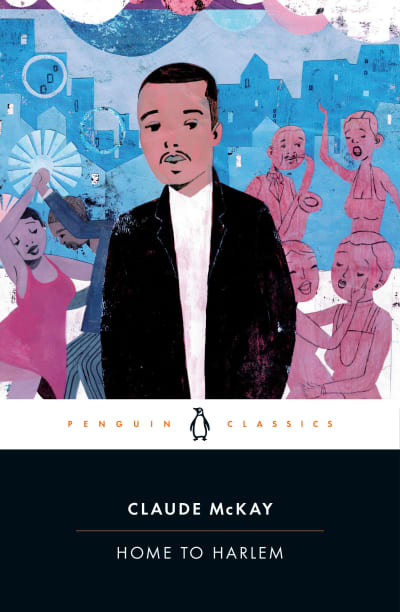
Home to Harlem
Claude McKay’s most well-known Harlem Renaissance novel now in Penguin Classics
Claude McKay’s first novel, Home to Harlem, was published in 1928 during the height of the Harlem Renaissance. McKay portrays Harlem post-WWI through two Black migrants to New York: Jake, a Southern-born African American longshoreman who deserts the U.S. army and returns to his home in Harlem; and Ray, an educated Haitian immigrant. With his innovative use of Black dialects, McKay portrays a complex world of Black people, both native-born and immigrant, who navigate a dynamic society in the midst of radical change. Harlem is portrayed as a cauldron of Black life where Black people experience both White racism and intra-Black prejudice as well as sexual freedom and pleasure, all through the prism of Harlem’s jazz nightlife. Home to Harlem sparked controversy among Black critics. W.E.B. Du Bois considered it reductive and stereotypical while Marcus Garvey accused McKay of pandering to racist white tastes for degrading depictions of Blacks. Other critics such as Langston Hughes embraced Home to Harlem for its frank depictions of modern Black working class life and its meditation on enduring social inequalities. This debate within the Harlem’s intellectual community, combined with the curiosity of white readers to learn more about this modern Black space, drove Home to Harlem to become the first commercial bestseller by a Black novelist in the United States.
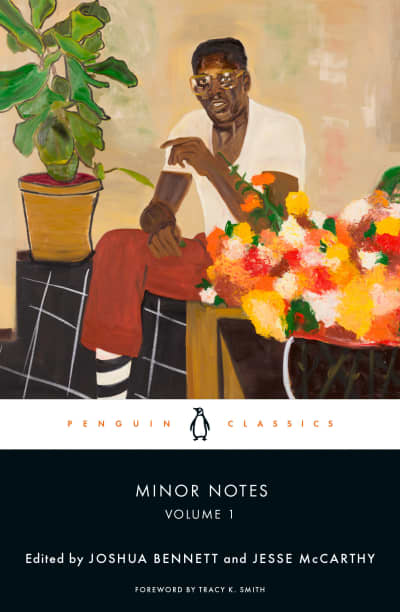
Minor Notes, Volume 1
The first volume in an anthology series that amplifies the voices of unsung Black poets to paint a more robust picture of our national past, and of the Black literary imagination, with a foreword by Tracy K. Smith
Joshua Bennett and Jesse McCarthy repeatedly found themselves struck by the number of exciting poets they came across in long-out-of-print collections and forgotten journals whose work has been neglected or entirely ignored, even by scholars of Black poetry.

Right by My Side
Move over, Holden Caulfield, and meet Marshall Field Finney, in the 30th anniversary edition of Right by My Side, by a celebrated chronicler of Black middle class life in the American Midwest
With wit and realism, David Haynes presents a different kind of Holden Caulfield in fifteen-year-old Marshall Field Finney, an ordinary, sullen teenager who discovers storytelling as a way to ease his adolescent anger and family tensions. Living with his parents in “Washington Park,'' a housing development outside St. Louis, Missouri in the 1980s, his high-strung mother walks out on him and his father, a flawed yet strong man who manages the local landfill. Marshall's two best friends, one Black and one white, are his only allies, as they navigate school and family life together. Through these relationships, Haynes poses Marshall's universal questions about his place in his community and what’s next in his life. Ultimately, Marshall’s story proves that people take care of each other, families take care of others, and a boy finds his own resilience to become a young man.

Black Empire
A pioneering work of Afrofuturism and antiracist fiction by the author of Black No More, about a Black scientist who masterminds a worldwide conspiracy to take back the African continent from imperial powers
“An amazing serial story of Black genius against the world” is how Black Empire was promoted upon its original publication as a serial in The Pittsburgh Courier from 1936 to 1938. It tells the electrifying tale of Dr. Henry Belsidus, a Black scientific genius desperate to free his people from the crushing tyranny of racism. To do so, he concocts a plot to enlist a crew of Black intellectuals to help him take over the world, cultivating a global network to reclaim Africa from imperial powers and punish Europe and America for white supremacy and their crimes against the planet’s Black population.
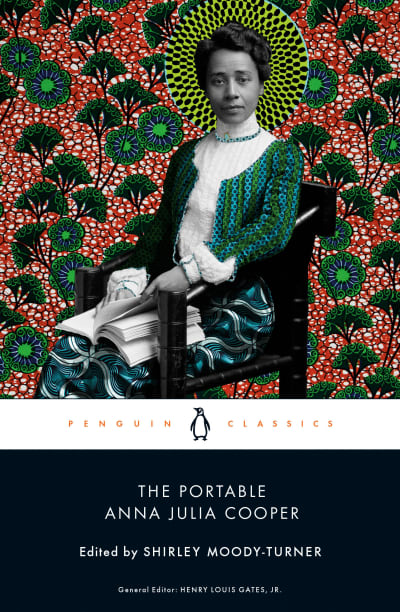
The Portable Anna Julia Cooper
A collection of essential writings from the iconic foremother of Black women's intellectual history, feminism, and activism, who helped pave the way for modern social justice movements like Black Lives Matter and Say Her Name
The Portable Anna Julia Cooper brings together, for the first time, Anna Julia Cooper's major collection of essays, A Voice from the South, along with several previously unpublished poems, plays, journalism and selected correspondences, including over thirty previously unpublished letters between Anna Julia Cooper and W. E. B. Du Bois. The Portable Anna Julia Cooper will introduce a new generation of readers to an educator, public intellectual, and community activist whose prescient insights and eloquent prose underlie some of the most important developments in modern American intellectual thought and African American social and political activism.
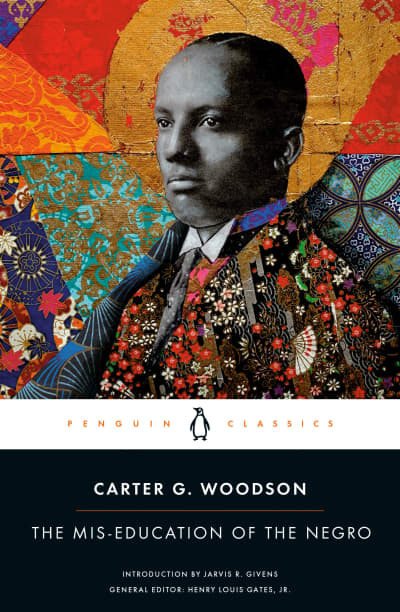
The Mis-education of the Negro
The most influential work by “the father of Black history”, reflecting the long-standing tradition of antiracist teaching pioneered by Black educators
AThe Mis-education of the Negro (1933) is Woodson’s most popular classic work of Black social criticism, drawing on history, theory, and memoir. As both student and teacher, Woodson witnessed distortions of Black life in the history and literature taught in schools and universities. He identified a relationship between these distortions in curriculum and the violence circumscribing Black life in the material world, declaring, “There would be no lynching if it did not start in the schoolroom.” Woodson’s primary focus was the impact dominant modes of schooling had on Black youth.

The Cancer Journals
Moving between journal entry, memoir, and exposition, Audre Lorde fuses the personal and political as she reflects on her experience coping with breast cancer and a radical mastectomy.
First published over forty years ago, The Cancer Journals is a startling, powerful account of Audre Lorde's experience with breast cancer and mastectomy. Long before narratives explored the silences around illness and women's pain, Lorde questioned the rules of conformity for women's body images and supported the need to confront physical loss not hidden by prosthesis. Living as a "black, lesbian, mother, warrior, poet," Lorde heals and re-envisions herself on her own terms and offers her voice, grief, resistance, and courage to those dealing with their own diagnosis. Poetic and profoundly feminist, Lorde's testament gives visibility and strength to women with cancer to define themselves, and to transform their silence into language and action.

Dirty Bird Blues
A quietly influential force in African American literature and art, Clarence Major makes his Penguin Classics debut with the twenty-fifth-anniversary edition of Dirty Bird Blues
Set in post-World War II Chicago and Omaha, the novel features Manfred Banks, a young, harmonica-blowing blues singer who is always writing music in his head. Torn between his friendships with fellow musicians and nightclub life and his responsibilities to his wife and child, along with the pressures of dealing with a racist America that assaults him at every turn, Manfred seeks easy answers in "Dirty Bird" (Old Crow whiskey) and in moving on. He moves to Omaha with hopes of better opportunities as a blue-collar worker, but the blues in his soul and the dreams in his mind keep bringing him back to face himself. After a nightmarish descent into his own depths, Manfred emerges with fresh awareness and possibility.
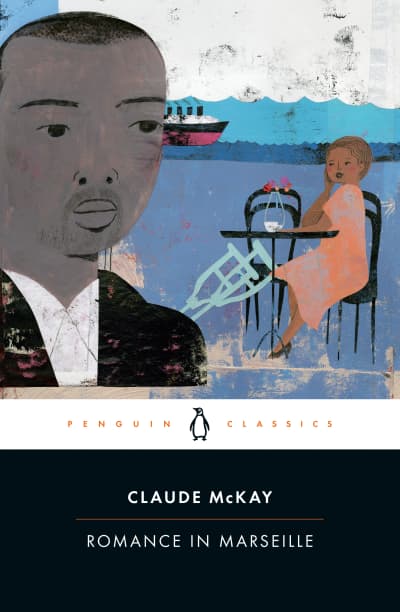
The pioneering novel of physical disability, transatlantic travel, and black international politics.
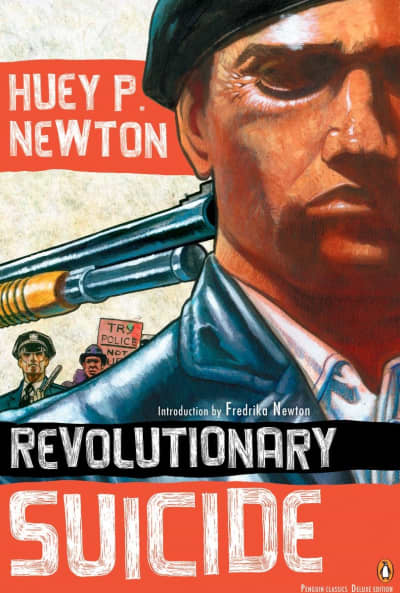
The searing, visionary memoir of founding Black Panther Huey P. Newton, in a dazzling graphic package.

A new historical anthology from transatlantic slavery to the Reconstruction curated by the Schomburg Center.
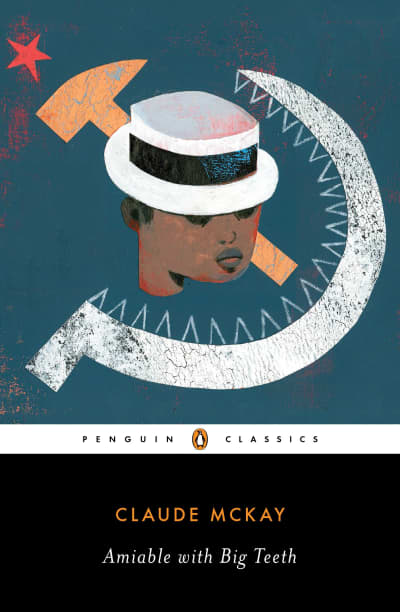
A rich and multilayered portrayal of life in 1930s Harlem and a historical protest for Black freedom.
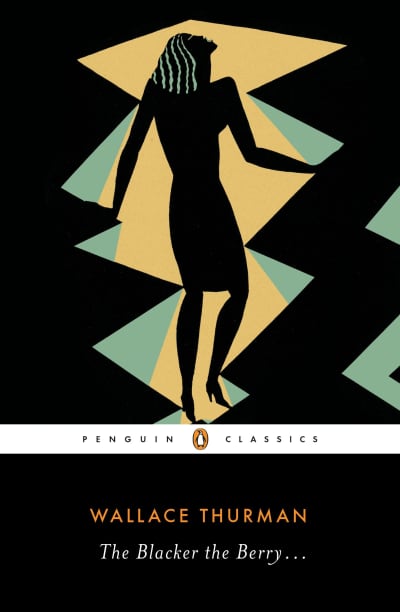
The groundbreaking Harlem Renaissance novel about prejudice within the Black community.
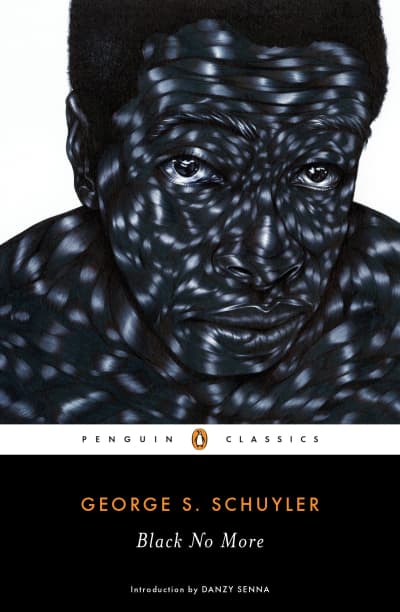
The landmark comic satire that asks, "What would happen if all Black people in America turned white?"
Get more Classics Recommendations from Henry Louis Gates, Jr.
Discover more non-fiction, memoir, novels, short stories, and poetry by Black writers that reveal the human universal through the African American particular.
Stay in Touch
By clicking Sign Up, I acknowledge that I have read and agree to Penguin Random House's Privacy Policy and Terms of Use and understand that Penguin Random House collects certain categories of personal information for the purposes listed in that policy, discloses, sells, or shares certain personal information and retains personal information in accordance with the policy. You can opt-out of the sale or sharing of personal information anytime.